

Effective teams!
For years I was privileged to lead a group of fantastic Colourists and Laboratory technicians at DSM (the part that is now Envalior); I received no training for that and the simple fact that I was the Colour Specialist, quite articulate and had a natural talent for taking the lead, had landed me this role.
But of course, that involved trial and error, having to take into account the corporate culture and the rules and strategies that simply apply within a large company.
As with (almost) everything in life, due to a little more distance and counting the years, here too, if I had to do it all over again, I would do a few things differently. Fortunately, my mistakes did not cause too much damage and to this day I still have warm contacts with my wonderful colleagues in the laboratory.
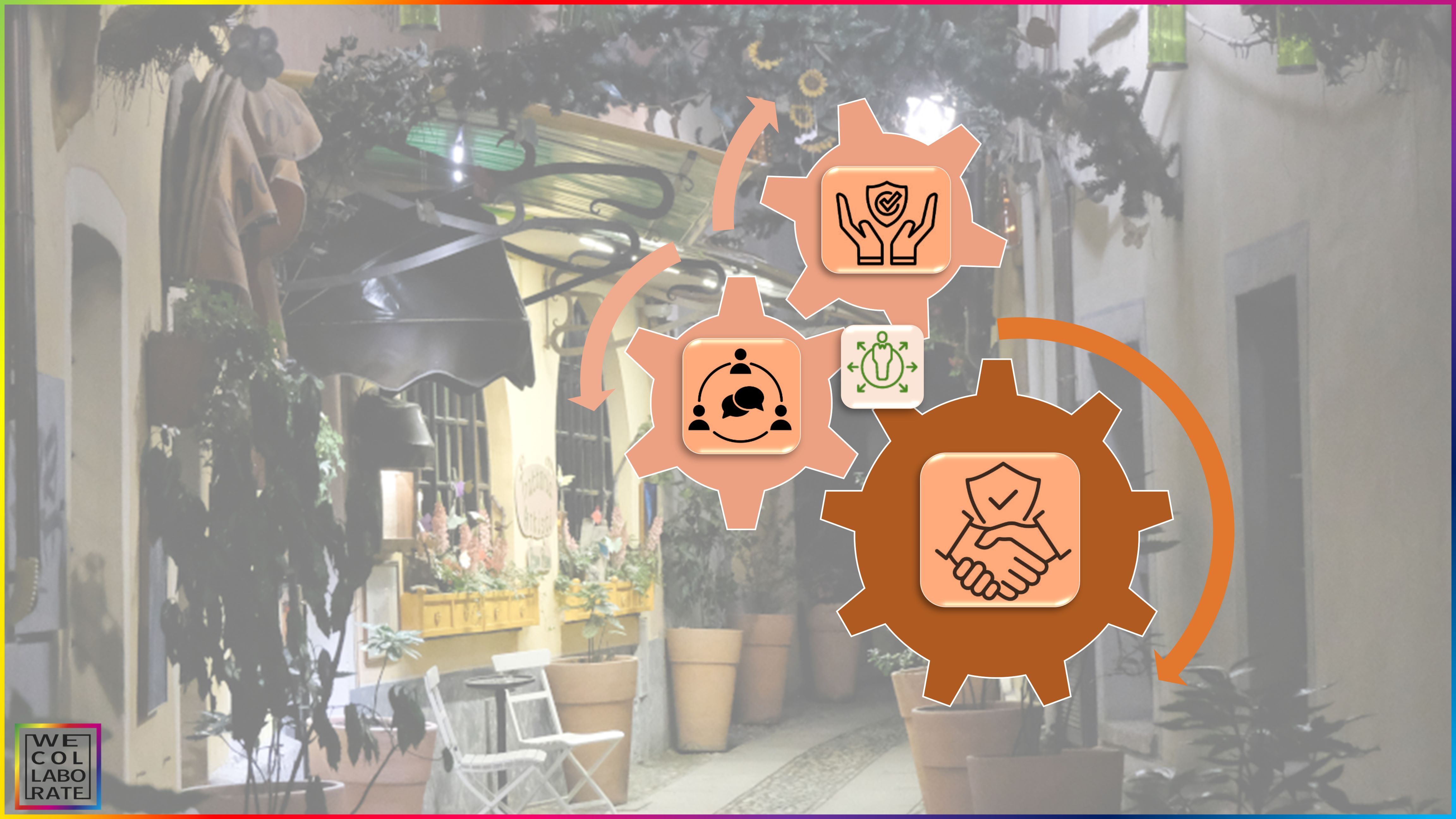
The most important lessons for me to form an effective team are Trust, Safe working environment and Communication.
Having trust in the knowledge and skills of your team leads to self-confidence, giving confidence to your team ensures that they develop.
A safe working environment - and I don't mean the equipment and tools, which is also essential - in which every employee can be themselves, feels respected and can express themselves when they have good ideas and opinions or when something is unclear and difficult, provides more bonding with each other and job satisfaction (and fun).
Communication is perhaps the most difficult part, because every employee is different and will be able to interpret the information differently. Communicating clearly and comprehensibly - and asking for feedback - about goals and rules forms and gives context to your team.
And I haven't even mentioned the enormous benefits of diversity in your team!
But a team is not an island, does not stand alone and functions in a larger entity. Many large companies, in an ever-increasing desire to save costs, are trying to expand their teams and combine more and more activities. And one of the most recent examples is self-managing teams, where there is no central manager, but leadership is required from each team member and, this I found the most striking, there is no annual assessment by the team leader, but colleagues have to assess each other.
Now, you also within teams have people who take the lead and those who are more inclined to follow the others. There are by now plenty of examples where things go wrong within the so-called self-managing teams, because a natural hierarchy is created within such a team, it does not result in more connection and the question is whether every employee is told honestly and openly how he/she functions (a few examples already show that this is not the case).
Personally, I am more in favor of self-reliant teams, with a team leader (!), where you enable each team member to make their own choices within the frame of the work at any time and under (almost) all circumstances. This requires leadership that is aware of the differences within the team, embraces them and develops them further where it is specifically necessary, provides all the information needed, is not afraid of mistakes being made (which do happen anyway) and learns from them together, daring to show vulnerability to one's own insecurities and being very clear about the goals and expectations of each team member.
And that annual performance review? Oh well, of course you should talk to your team members more often about their work and what can or should be done differently, of course you observe daily how your team members are doing and take note of possible points for improvement, of course you know what the home situation is like and how that can influence their work, of course you have to put out fires every now and then because team members are only human and things sometimes get irritating.... but just like with budgets, in my opinion it remains useful to have at least once year a structured get-together and have more elaborate attention to the ins and outs of your team members. By the way, and this is sometimes undervalued, you really shouldn't have more than 25 people in your team!
So self-managing? Have me a self-reliant team instead!
Feel free to contact us or request a quotation